

toughened glass 8mm price
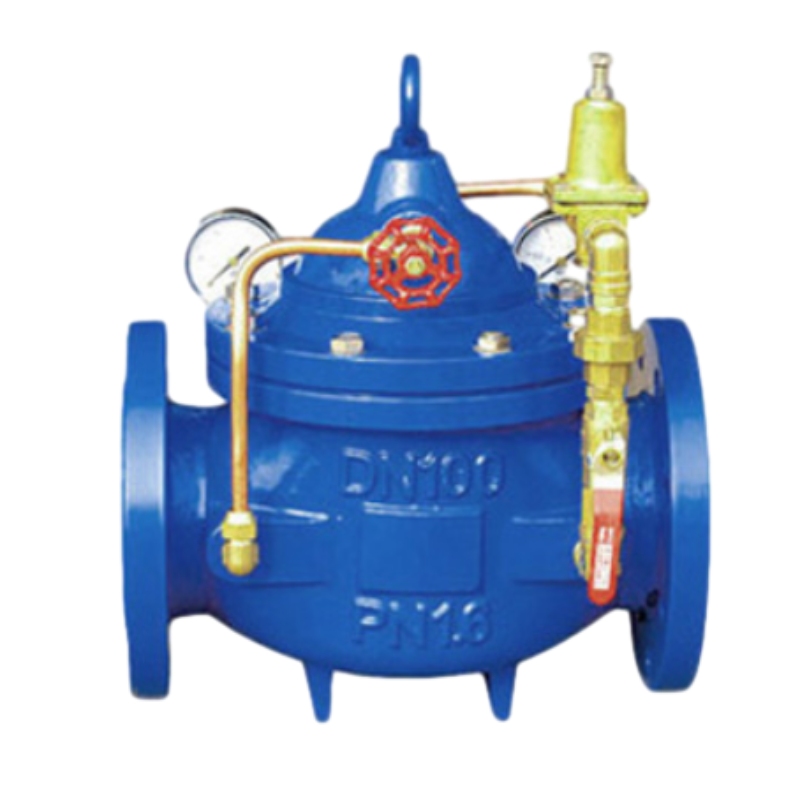
Understanding Pressure Check Valves Importance and Applications Pressure check valves are essential components in various fluid systems, providing a critical function that helps maintain operational safety and efficiency. These valves are designed to allow fluid to flow in one direction while preventing backflow, thereby protecting system integrity and ensuring that components operate under safe pressure levels. What is a Pressure Check Valve? A pressure check valve is a device that automatically prevents the reverse flow of fluid that could potentially harm an apparatus or the environment. These valves have a simple mechanism that opens to allow flow in one direction and closes to prevent it from flowing back. Their design is crucial in applications where fluid dynamics play a significant role, such as in water distribution systems, hydraulic systems, and various industrial processes. How Do Pressure Check Valves Work? The operation of a pressure check valve is relatively straightforward. When the fluid pressure exceeds the spring tension holding the valve closed, the valve opens, allowing the fluid to pass through. Once the pressure drops or reverses, the spring closes the valve, preventing backflow. This action ensures that the system maintains its integrity and operates within the desired pressure range. Pressure check valves often feature materials such as stainless steel, brass, or plastic, depending on the application and the fluids involved. The choice of material is critical as it impacts the durability, corrosion resistance, and overall longevity of the valve. Applications of Pressure Check Valves 1. Water and Wastewater Treatment Pressure check valves are widely used in municipal water systems and wastewater treatment plants . They prevent backflow that can contaminate clean water supplies or hinder the overall efficiency of treatment processes. pressure check valve 2. Hydraulic Systems In hydraulic machinery, such as construction equipment and manufacturing tools, pressure check valves are vital for maintaining system pressure and ensuring that hydraulic fluid only flows in the desired direction. This helps in preventing equipment damage and enhancing performance. 3. Pneumatic Systems Similar to hydraulic applications, pneumatic systems utilize pressure check valves to control air flow, ensuring that pressure remains stable and that air does not backtrack into components when not in operation. 4. Chemical Processing In industries involving chemical reactions, pressure check valves serve to prevent the backflow of potentially hazardous chemicals, protecting both workers and equipment from leaks and spills. 5. Fire Protection Systems Pressure check valves are integral in fire suppression systems. They ensure that water or fire-retardant chemicals flow only when needed and prevent contamination in the system. Benefits of Using Pressure Check Valves - Prevention of Backflow The primary benefit is the mitigation of backflow, which can lead to contamination or system failure. - Enhanced Safety By maintaining correct pressure levels, these valves play a crucial role in preventing accidents and equipment damage. - Reduced Maintenance Costs By preventing reverse flow and protecting equipment, pressure check valves minimize wear and tear, leading to lower maintenance and replacement costs. - Improved System Efficiency Ensuring that fluid flows unobstructed in the desired direction enhances the efficiency of the entire system. Conclusion Pressure check valves are paramount in ensuring the safety and efficiency of various fluid handling systems. Their ability to prevent backflow and maintain operational pressure makes them invaluable in sectors ranging from municipal water supply to heavy industry. Investing in high-quality pressure check valves not only protects infrastructure but also ensures compliance with safety regulations. As industries evolve and demand for fluid management systems grows, the role of pressure check valves will undoubtedly continue to be significant, underscoring the importance of understanding their function and applications. Proper selection, installation, and maintenance of pressure check valves are key to maximizing their benefits, making them a critical component in any fluid handling system.
about
toughened glass 8mm price
The Benefits of Timber Fixed Brackets in Modern Construction In the realm of construction and architecture, the choice of materials is paramount. One innovation that has gained popularity in recent years is the timber fixed bracket. This versatile component offers numerous advantages that contribute to both the aesthetics and structural integrity of buildings. As we explore the benefits of timber fixed brackets, it becomes evident why they are becoming a preferred choice for builders and designers alike. 1. Aesthetic Appeal Timber is known for its natural beauty, warmth, and texture, which can significantly enhance the visual appeal of a structure. Timber fixed brackets provide an opportunity to incorporate these attributes into the design. They can be crafted to match the specific style of a building, whether it's rustic, modern, or traditional. The rich grains and tones of wood, when used in brackets, can create a striking contrast against other materials such as steel or glass. This aesthetic versatility allows architects to push creative boundaries, resulting in innovative designs that stand out. 2. Sustainability In an age where environmental consciousness is on the rise, timber stands out as a sustainable building material. Sourced from renewable resources, timber has a lower carbon footprint compared to alternative materials like steel and concrete. Timber fixed brackets contribute to eco-friendly construction practices by utilizing wood that is responsibly harvested. When designed with sustainability in mind, they can help projects achieve green building certifications, further enhancing their appeal in the modern market. 3. Strength and Durability One might wonder about the structural integrity of timber fixed brackets compared to traditional alternatives . However, when properly treated and installed, timber brackets can offer remarkable strength and durability. Treated wood is resistant to rot, pests, and weathering, making it ideal for both indoor and outdoor applications. Furthermore, the design flexibility of timber brackets allows for reinforcement in high-stress areas, ensuring they can endure heavy loads and adverse conditions without compromising safety. timber fixed bracket 4. Ease of Installation Timber fixed brackets are relatively easy to install, which can lead to significant time and cost savings during construction. The lightweight nature of wood allows workers to handle and manipulate the brackets with ease, reducing labor intensity. Additionally, the use of timber brackets does not typically require specialized tools or skills for installation, making them accessible for a variety of construction projects. This simplicity can streamline building processes, allowing for faster project completion. 5. Versatile Applications The versatility of timber fixed brackets is another reason they are becoming increasingly favored. They can be employed in a wide range of applications, from supporting beams and roofs to enhancing the aesthetic appeal of furniture and fixtures. Whether it is in residential homes, commercial buildings, or even recreational structures, timber fixed brackets can be customized to meet the specific needs of each project. This adaptability ensures that builders and architects can utilize them effectively in countless scenarios. 6. Cost-Effectiveness While the initial cost of high-quality timber may be higher than some alternatives, the long-term benefits can outweigh these upfront costs. The durability and low maintenance requirements of timber fixed brackets mean that they can provide value over time. Homeowners and builders can save on repair or replacement costs, making timber brackets a budget-friendly choice in the long run. Conclusion Timber fixed brackets represent a blend of beauty, functionality, and sustainability that is well-suited for modern construction. Their aesthetic contributions, coupled with their strength, ease of installation, and versatility, make them an excellent choice for a myriad of building projects. As the industry continues to evolve, the integration of such innovative components will undoubtedly shape the future of architecture, emphasizing the need for sustainable and visually appealing designs. For builders and designers looking to create unique, robust structures, timber fixed brackets offer a compelling solution that should not be overlooked.
-

High quality industrial productsagement

High quality industrial products
View Details -

Meet the diverse needs of customers

Meet the diverse needs of customers
View Details -

Strict quality control

Strict quality control
View Details -

Top raw materials

Top raw materials
View Details -

Trusted supplier

Trusted supplier
View Details
Our application
news and information
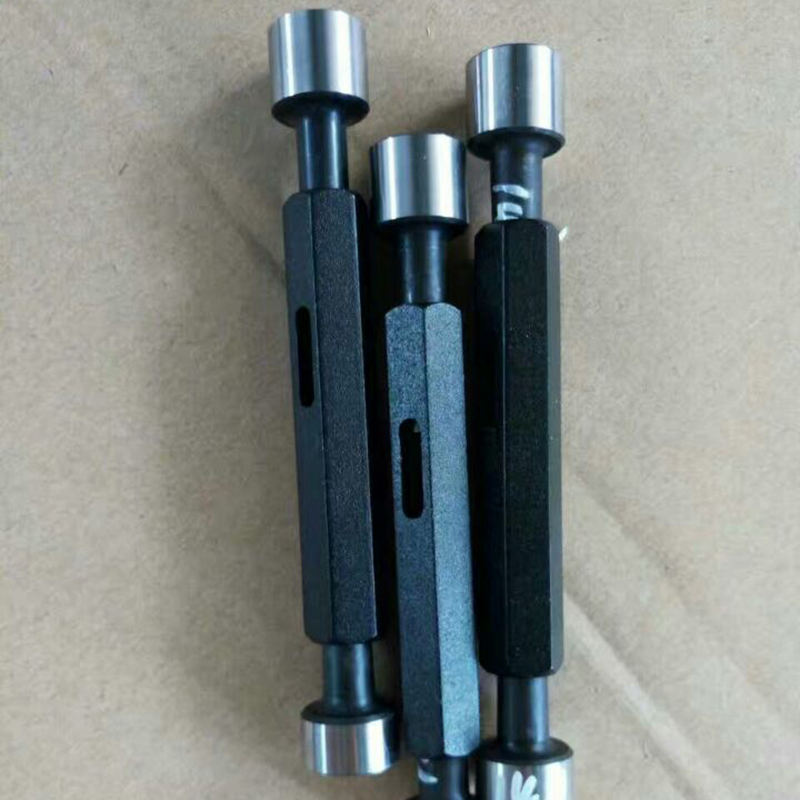
Using a Small Hole Gauge for Accurate Measurement in Precision Engineering Applications
The Importance of Small Hole Gauges in Precision Measurement In various industries, precision measur
wskazuje mikrometr
Indykatory Mikrometryczne Zastosowanie i Właściwości Indykatory mikrometryczne to precyzyjne narzędz
Water Gate Valve Pricing Guide for Affordable Options and Quality Choices
water gate valve price
 English